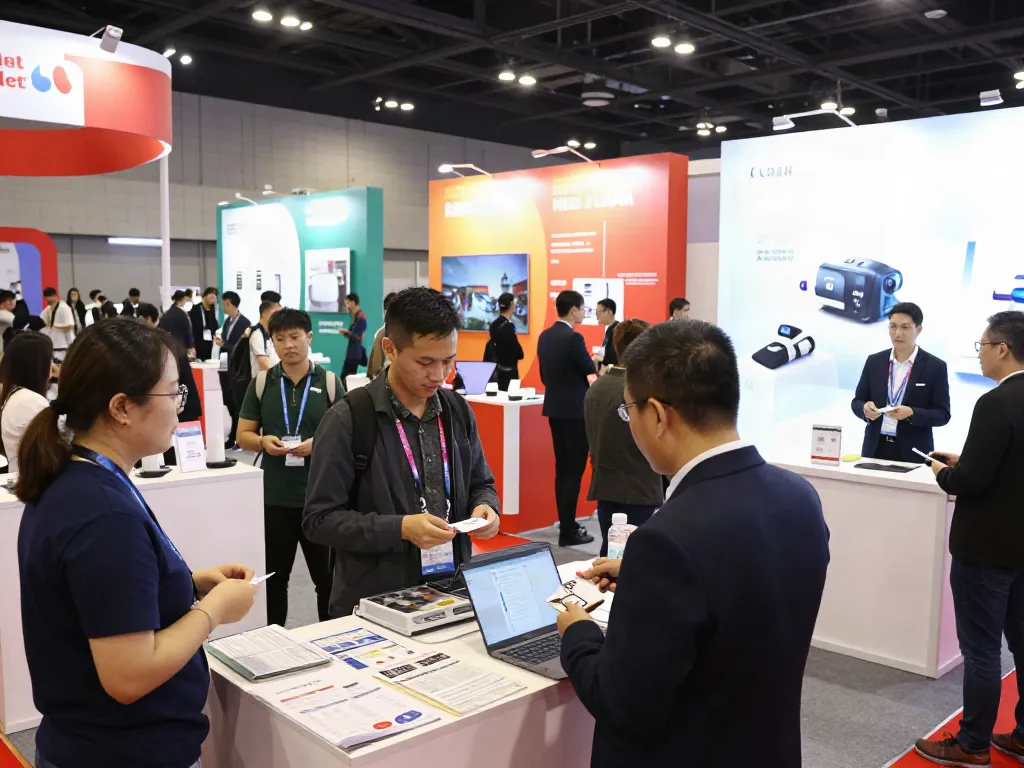
Understanding the Role of Eksibitors in Modern Exhibitions
In today's dynamic business landscape, the role of an Eksibitor has evolved significantly. Exhibitors are not just participants in trade shows; they are strategic players in marketing, networking, and business development. As industries adapt to technological advancements and changing consumer behaviors, understanding the multifaceted role of exhibitors becomes paramount for optimizing exhibition outcomes.
What is an Eksibitor?
An eksibitor, or exhibitor, refers to an individual or organization that leases space at a trade show or exhibition to showcase products, services, or innovations. They play a crucial part in the event's ecosystem by directly interacting with potential customers, partners, and the media. The primary goal is to generate leads, create brand awareness, and foster relationships that can lead to future business opportunities.
The Evolution of Exhibitors in 2026
The landscape of exhibitions has dramatically transformed by 2026, with exhibitors now leveraging advanced technologies and data analytics to enhance their presence and engagement. The pandemic and subsequent technological shifts have accelerated trends such as virtual and hybrid exhibitions, allowing exhibitors to reach global audiences without geographical constraints. Exhibitors are increasingly integrating augmented reality (AR) and virtual reality (VR) into their booths to create immersive experiences that captivate attendees and foster deeper connections.
Key Functions and Responsibilities of an Eksibitor
- Product Demonstration: Showcasing live demonstrations of products or services to engage and educate attendees.
- Lead Generation: Collecting information from potential customers to follow up after the event.
- Brand Promotion: Strengthening brand identity through curated presentations and displays.
- Networking: Building relationships with other exhibitors and attendees, which can lead to partnerships and collaborations.
- Feedback Collection: Gaining insights from attendees about products or services to inform future offerings.
Strategic Planning for Successful Exhibitions
Identifying Target Audiences
Identifying the right audiences is fundamental for exhibitors aiming to enhance their trade show performance. Understanding who your ideal customers are allows for targeted marketing and engagement strategies. Conducting market research before the event can help exhibitors define demographics, interests, and purchasing behaviors, ensuring that their exhibition strategy aligns with audience expectations.
Setting Clear Goals for Your Exhibit
Every successful exhibition starts with clear, measurable objectives. Whether the goal is to launch a new product, increase brand visibility, or generate leads, it is vital to establish specific KPIs (Key Performance Indicators) to measure success. Goals can also be qualitative, such as improving brand perception or fostering industry relationships.
Budgeting for an Effective Exhibition Strategy
Budgeting is crucial for ensuring that all aspects of the exhibition are adequately funded. This includes booth design, promotional materials, travel expenses, and staffing. A well-planned budget enables exhibitors to allocate resources effectively, minimizing unexpected costs and maximizing return on investment (ROI).
Best Practices for Designing an Effective Exhibit Booth
Essential Design Elements for Maximizing Impact
The design of an exhibitor booth is the first impression attendees will have. Essential elements include an eye-catching layout, cohesive branding, and interactive elements that draw in visitors. Employing designs that reflect the brand's ethos while prioritizing clarity and engagement can lead to more meaningful interactions.
User Experience: Creating an Engaging Space
The user experience within the booth should focus on creating an environment that encourages exploration and interaction. Providing comfortable spaces for discussions, integrating technology for digital experiences, and ensuring clear pathways can all enhance the attendee experience. Consideration of the flow of foot traffic is critical for maximizing engagement.
Incorporating Technology in Your Exhibit Design
Leveraging technology in exhibition design can set exhibitors apart. Tools like tablets for product presentations, VR experiences for immersive demos, and interactive screens for engaging content can create memorable experiences. Incorporating technology not only enhances engagement but also provides valuable data analytics for measuring success post-event.
Networking and Engagement Tactics for Exhibitors
Building Relationships with Attendees
Networking is a critical function for exhibitors. Engaging with attendees through personalized interactions and following up on conversations can foster lasting relationships. Implementing strategies such as offering exclusive content or invitations to private events can incentivize deeper connections.
Utilizing Social Media to Enhance Visibility
Social media plays a pivotal role in promoting exhibitor presence before, during, and after an event. By using platforms like LinkedIn, Twitter, and Instagram, exhibitors can reach a broader audience, share live updates, and engage with attendees. Effective social media strategies can create buzz around the booth and draw in foot traffic.
Follow-Up Strategies Post-Exhibition
The follow-up phase is vital for converting leads into clients. Sending personalized thank-you emails, providing additional resources, or scheduling follow-up meetings can help maintain the momentum gained during the exhibition. An organized CRM (Customer Relationship Management) system can streamline this process and aid in tracking interactions.
Future Trends in the Exhibition Industry
Emerging Technologies Shaping Exhibitor Strategies
As we move forward, emerging technologies will continually reshape the exhibition industry. Innovations such as AI-driven insights, advanced data analytics, and automation tools will enable exhibitors to tailor their strategies further, ensuring they meet the evolving needs of attendees.
Insights into Audience Behavior and Expectations
Understanding audience behavior is increasingly important for exhibitors. Trends indicate that attendees prefer personalized experiences and value sustainability. Addressing these preferences can enhance engagement and improve the overall effectiveness of the exhibition strategy.
Preparing for the Next Generation of Exhibitions
As the events landscape continues to evolve, preparing for future trends will be essential. This includes understanding the shift towards hybrid models, investing in digital engagement tools, and maintaining flexibility to adapt to unexpected changes.
What are the key qualities to look for in a successful eksibitor?
Successful eksibitors possess several key qualities. They are adaptable, possess strong communication skills, and maintain a deep understanding of their market. Additionally, they are proactive in networking and follow-up, ensuring all leads are nurtured towards conversion.
How can I effectively promote my exhibition booth as an eksibitor?
Promoting your booth effectively involves a multi-channel approach, including email marketing, social media engagement, and leveraging partnerships. Creating pre-event buzz, offering exclusive promotions, and ensuring your presence online matches your physical presence can greatly enhance visibility.
What are common mistakes made by exhibitors during exhibitions?
Common mistakes include insufficient preparation, lack of clear goals, and inadequate follow-up on leads. Other pitfalls include poor booth design that fails to engage attendees and neglecting to utilize technology to enhance the exhibitor experience. Avoiding these mistakes requires thoughtful planning and execution.
How do I measure the success of my exhibition efforts?
Success measurement can be done through various means, such as analyzing lead generation numbers, evaluating engagement levels at the booth, and correlating sales data post-event. Collecting feedback from attendees and team members can also provide insights into what worked and areas for improvement.
Why is networking important for eksibitors?
Networking is vital as it opens doors to new partnerships, collaborations, and business opportunities. Building a strong network can lead to increased market visibility, insider industry knowledge, and can facilitate future promotions. The relationships formed during exhibitions can often yield long-term benefits.